Tendai Bhebhe

Embedded systems engineer. Offline-first hardware, vehicle instrumentation, and the software on top.

Battery-powered devices deployed in areas with no connectivity. Instrumentation on vehicles that expose no data of their own. Custom Linux built to get around hardware that won't run the stack. I work across the whole boundary: sensors, firmware, the operating system underneath, and the backend and interfaces on top.

Seven years building systems that went into real use, including three hardware generations of a content-delivery device for rural Zimbabwe.

Location
Remote worldwide.
Currently
Open to contract and full-time work.
Domains
Embedded Linux, telemetry, IoT, civic technology.

Selected work

Rural Kiosk

Magamba Network2021–2025Lead design and development

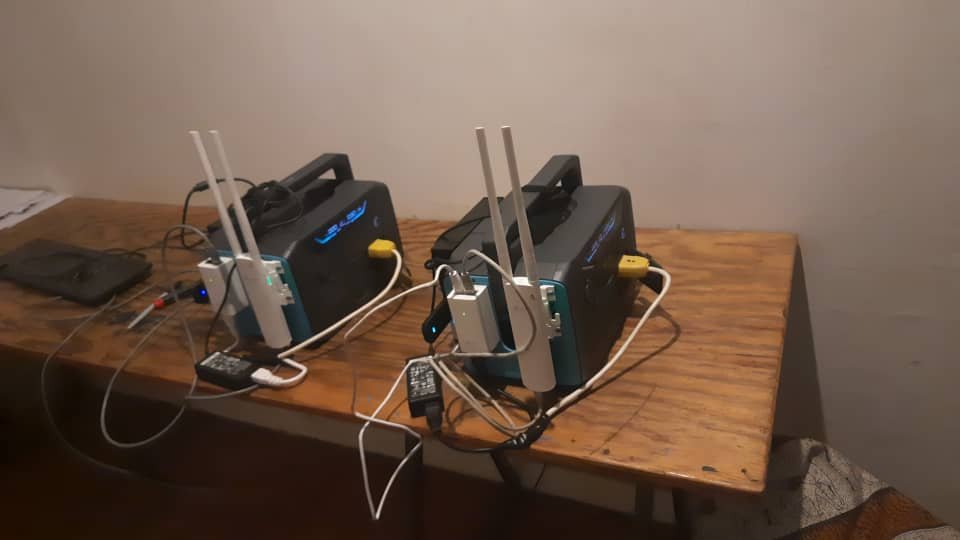
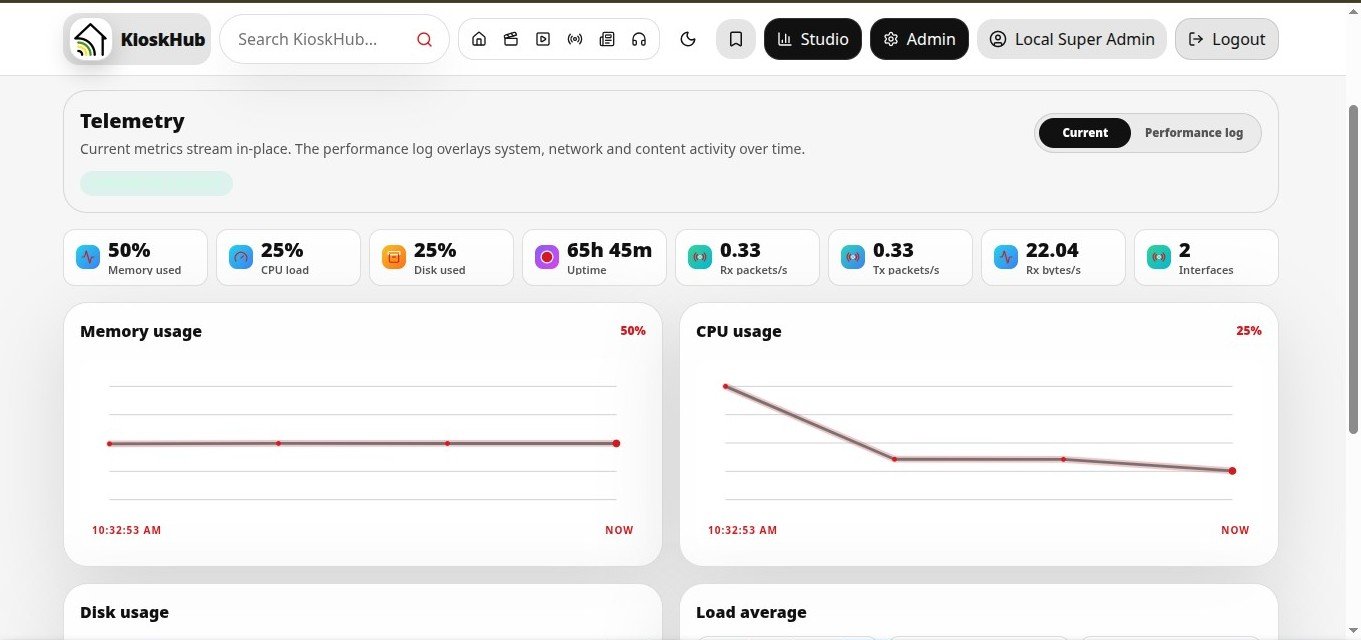
A portable, battery-powered device that stores content locally and serves it to nearby users over its own Wi-Fi network, putting digital material within reach in places with little or no connectivity and no data cost to the user.

It went through three hardware generations. Each one was forced by something that broke or hit a wall in real deployment rather than by a roadmap.

  1. Gen 1

    Raspberry Pi 2, 32-bit ARM

    MongoDB had dropped 32-bit support, so the data layer moved to MySQL. The pilot exposed SD-card corruption under sudden power loss, and scaling limits that set the direction for the next build.

  2. Gen 2

    Intel Celeron x86, custom Linux

    MongoDB needed AVX instructions the CPU didn't have. I hand-built a minimal system instead: a small Ubuntu kernel with an Alpine-based root filesystem running a pre-AVX MongoDB, using self-taught kernel and initramfs work and Docker-to-rootfs techniques.

  3. Gen 3

    Ubuntu Server on Core i5

    Standardised for maintainability across a deployed fleet rather than tuned for one unit. The problem shifted from making it run to keeping it serviceable by other people.
  • Embedded Linux
  • Custom rootfs
  • Node.js
  • MongoDB
  • MinIO / SeaweedFS
  • Offline-first

Project GXXR

IndependentOngoingDesign and development

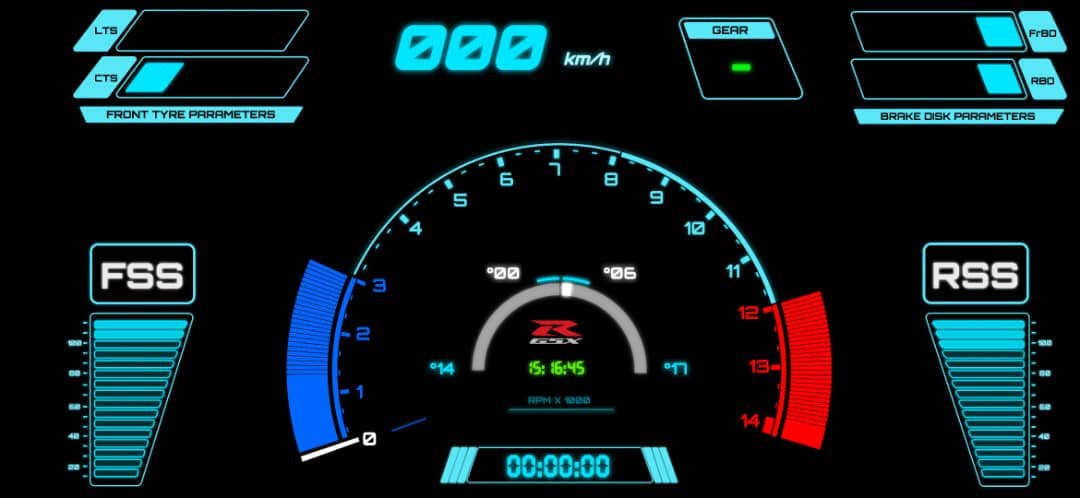
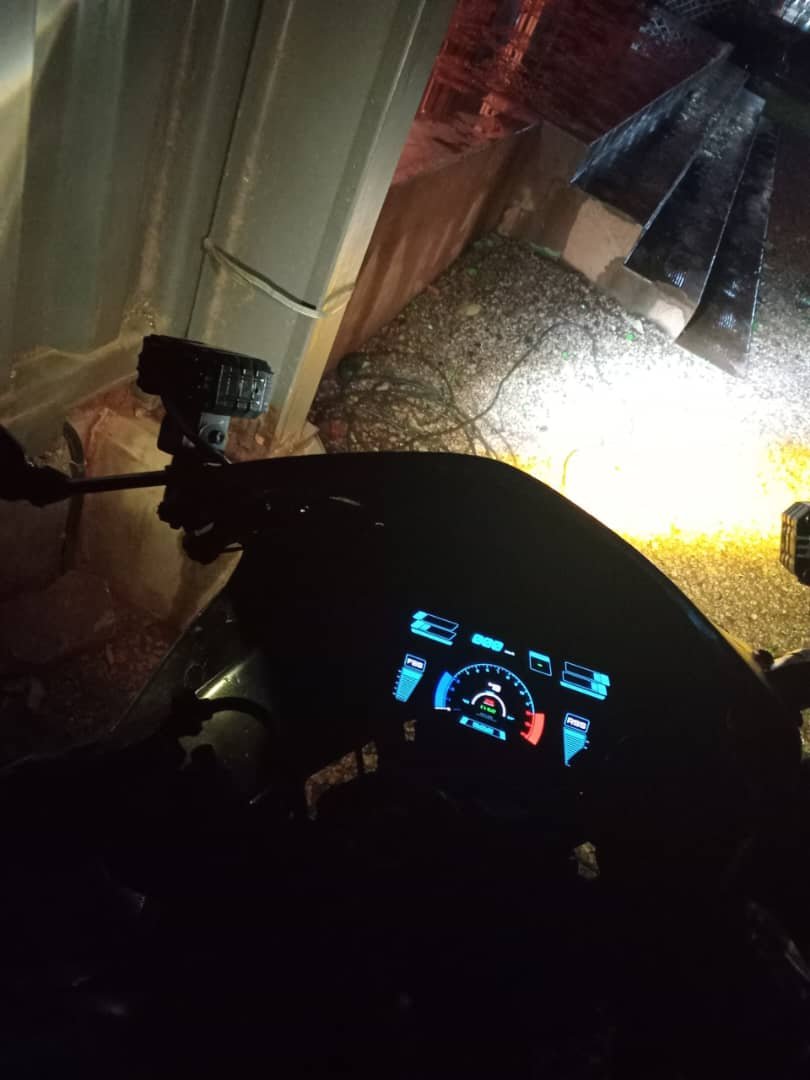
A complete telemetry and data-logging system for a 2003 Suzuki GSX-R1000, a machine that predates CAN and exposes no data bus at all.

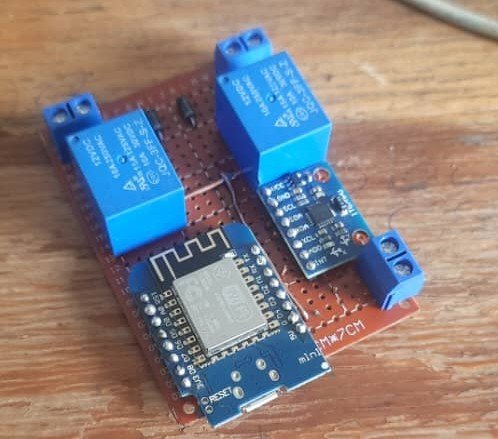
With nothing to read from, every signal had to be sensed directly and moved off the component that produced it. I built the sensing hardware, designed a wireless bus to carry the data around the bike, and wrote the logging, the dashboard and a diagnostic error-code layer on top.

  • Tyre and brake temperature, IMU motion and attitude, GPS position, suspension travel measured by ultrasound, and wheel speed
  • Custom wireless bus, which removed the wiring problem that would otherwise dominate a retrofit like this
  • Logs that can be inspected after a run for speed traces, machine state and the conditions around dropouts
  • Documented throughout, including the failures: IMU limits, sensor dropouts and error handling are written up alongside what worked
  • Sensor design
  • Signal conditioning
  • Wireless telemetry
  • Data logging
  • Dashboard

ESP8266-CAN

IndependentOpen sourceDesign and development

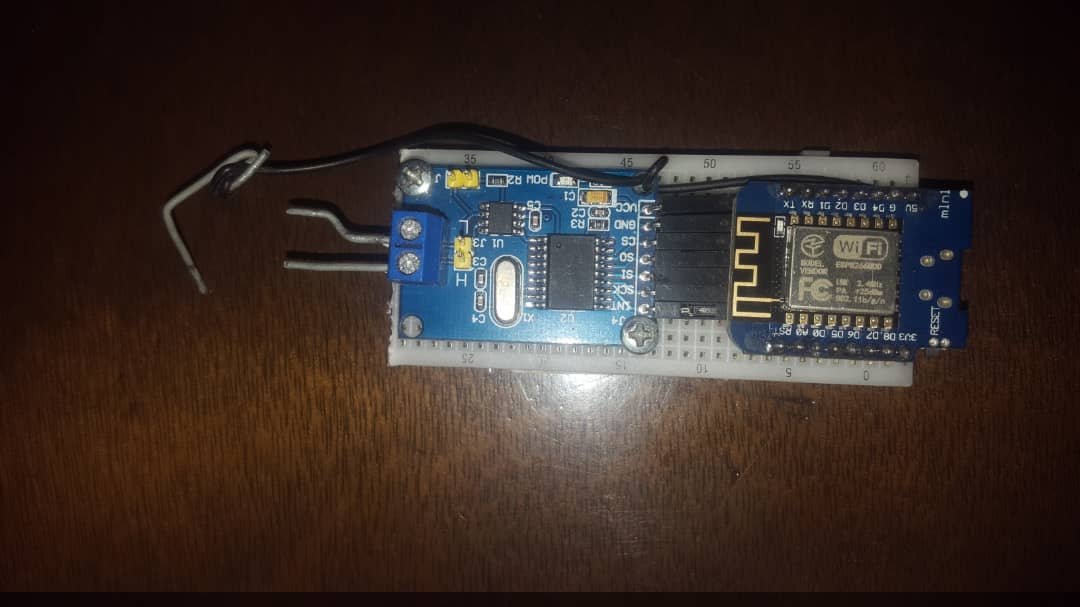
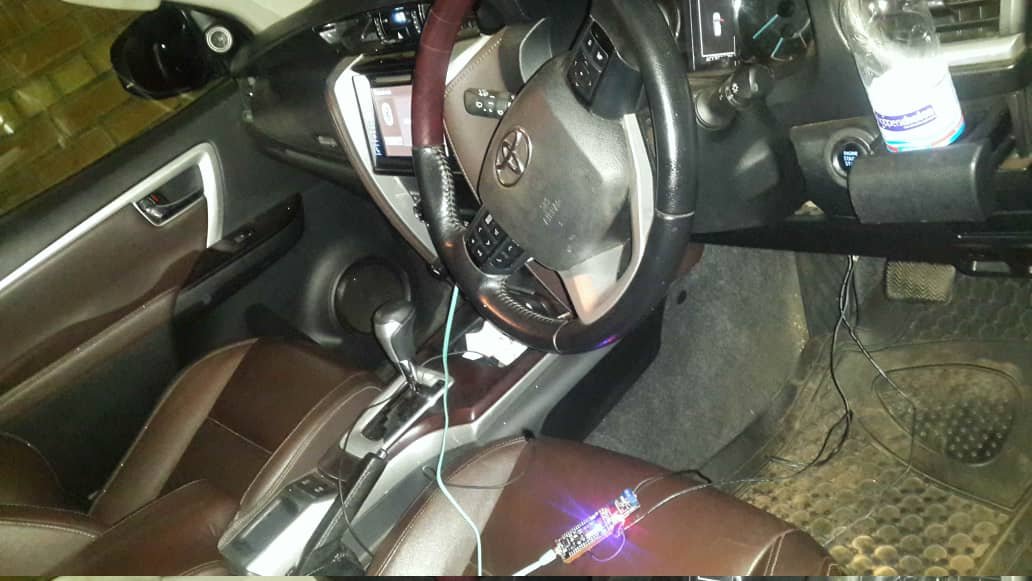
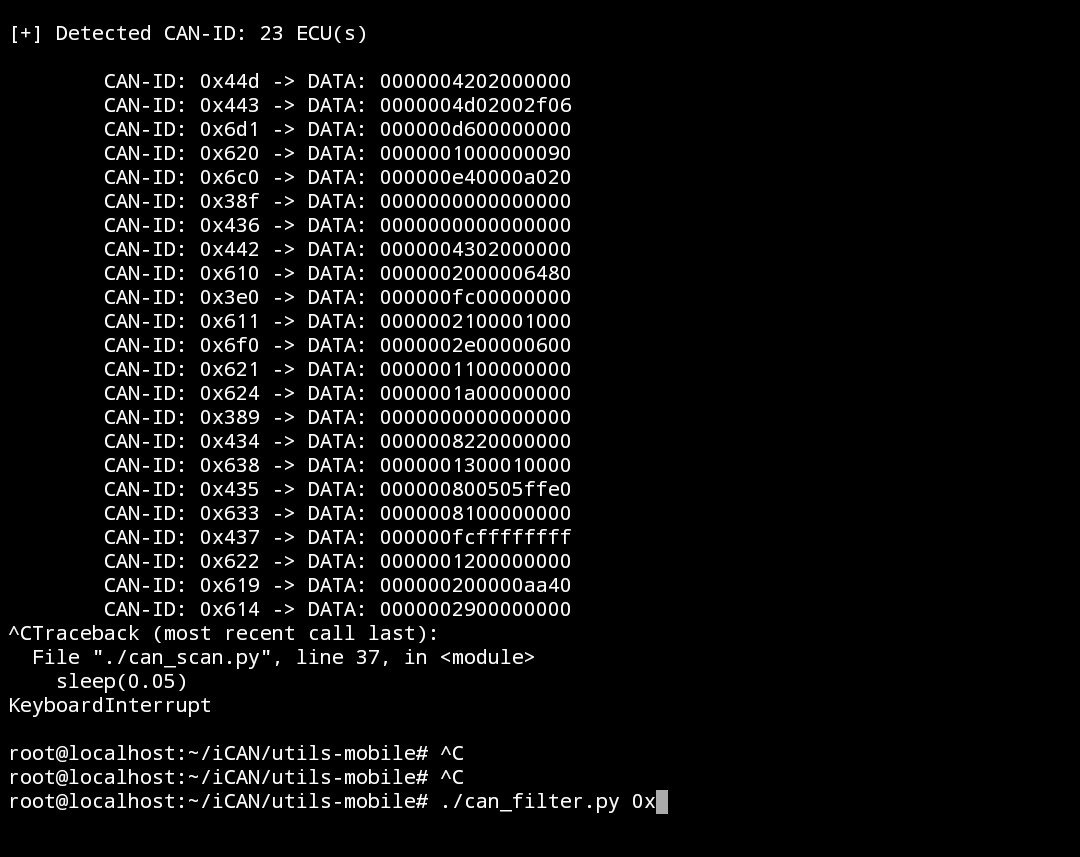
A tool for getting onto an automotive CAN network and seeing what is actually on it, built around an ESP8266 and an MCP2515 controller.

The counterpart to Project GXXR. Where that project instruments a vehicle with no bus, this one reads vehicles that have a standard one, capturing frames so arbitration IDs can be mapped to real signals. That mapping is the groundwork for any retrofit telematics or diagnostic work on an undocumented platform.

  • CAN bus
  • MCP2515
  • ESP8266
  • Diagnostics

Capabilities

Hardware and embedded

Sensor selection and signal conditioning, instrumentation of vehicles and machinery, wireless telemetry links, CAN bus, data logging, battery-powered device design, Raspberry Pi, ESP8266, embedded x86 and ARM.

Systems and infrastructure

Linux and Ubuntu Server, custom and minimal Linux builds, kernel and initramfs work, Docker, hosting and infrastructure migration, keeping deployed fleets serviceable.

Software

Python, JavaScript and TypeScript, C and C++, Java, C#. Node.js and REST APIs, MongoDB, MySQL, Firebase, object storage on MinIO and SeaweedFS, Android applications, full-stack web.

Get in touch

Available for contract and full-time work in embedded systems, instrumentation and telemetry, and offline-first infrastructure.